

In short: To move your cargo, Baitong Logistics has to collect shipment, commercial and contact data, and share the minimum necessary with carriers, customs brokers and destination agents. We limit access to staff who need it to run the file, use the data to execute and account for the shipment rather than to sell it, retain records for as long as customs and accounting rules require, and accept requests to access, correct or delete contact data. This page explains that in plain language for business customers.
A freight shipment cannot legally move without documentation naming the shipper, consignee, commodity, value and origin. Those documents are filed with customs authorities, presented to carriers, and shared with the agent who clears the goods at destination. Data handling in freight is therefore not a marketing preference — it is a legal and operational necessity.
The reasonable question is not "do you hold my data" but "what exactly do you hold, who sees it, and how long does it stay".
| Category | Examples | Why it is needed |
|---|---|---|
| Contact data | Name, company, email, phone, messaging number | Quotations, booking confirmations, exception updates |
| Commercial shipment data | Commodity description, HS code, quantity, value, invoice and packing list | Export and import declarations, duty calculation, carrier booking |
| Cargo data | Weight, dimensions, carton count, marks and labels, photos | Rating, handling instructions, discrepancy and damage records |
| Routing data | Origin, destination, addresses, delivery contacts | Collection, carriage and final-mile delivery |
| Financial data | Invoice and payment references | Billing and accounting records |
| Technical data | Website enquiry form submissions, basic access logs | Responding to enquiries and keeping the site working |
Sharing is limited to parties required to execute the shipment or comply with the law:
We do not sell customer data, and we do not share shipment data with advertising networks.
We do not claim certifications or audit standards we have not been independently assessed against. If your procurement process requires a specific certification, ask us in writing and we will confirm the current position rather than assert compliance.
Customs, transport and accounting records must be retained for the periods required by applicable law and by our own record-keeping obligations, because they can be requested in audits, duty reviews and claims. Contact and enquiry data that is not linked to a shipment file is kept only as long as needed to respond to the enquiry and maintain the business relationship. When a retention period ends, records are deleted or archived according to our records policy.
Business customers can ask us to:
Send requests to overseas02@batongls.com with the company name and the email address used with us. We will confirm receipt and respond in writing. Requests that would require deleting a customs or accounting record cannot be granted while the retention obligation applies, and we will explain which record is affected.
If we become aware of unauthorised access to customer data, we will notify affected account contacts in writing with what happened, what data was involved and what we have done, without waiting to be asked. We would rather report an incident early than have a customer discover it later.
If your organisation needs a data-processing agreement, a security questionnaire completed, or a specific retention commitment, send the requirement to overseas02@batongls.com or WhatsApp +86 191 2930 8513 and we will respond to the actual document rather than a generic statement.
Related reading: who Baitong Logistics is, about the company, contact.
Contact details, commercial shipment data such as commodity, HS code, value and invoice documents, cargo dimensions and marks, routing addresses, billing references and basic website enquiry data.
No. Customer and shipment data is used to execute, clear, deliver and account for shipments. It is not sold and is not shared with advertising networks.
The operations, documentation and account teams responsible for that shipment, plus the carriers, customs authorities, brokers and destination agents required to move and clear the goods.
Email overseas02@batongls.com with your company name and the email address used with Baitong. Contact data not tied to a legal retention obligation is deleted; customs and accounting records must be kept for the applicable period, and we will explain which record applies.

Dec 15,2025
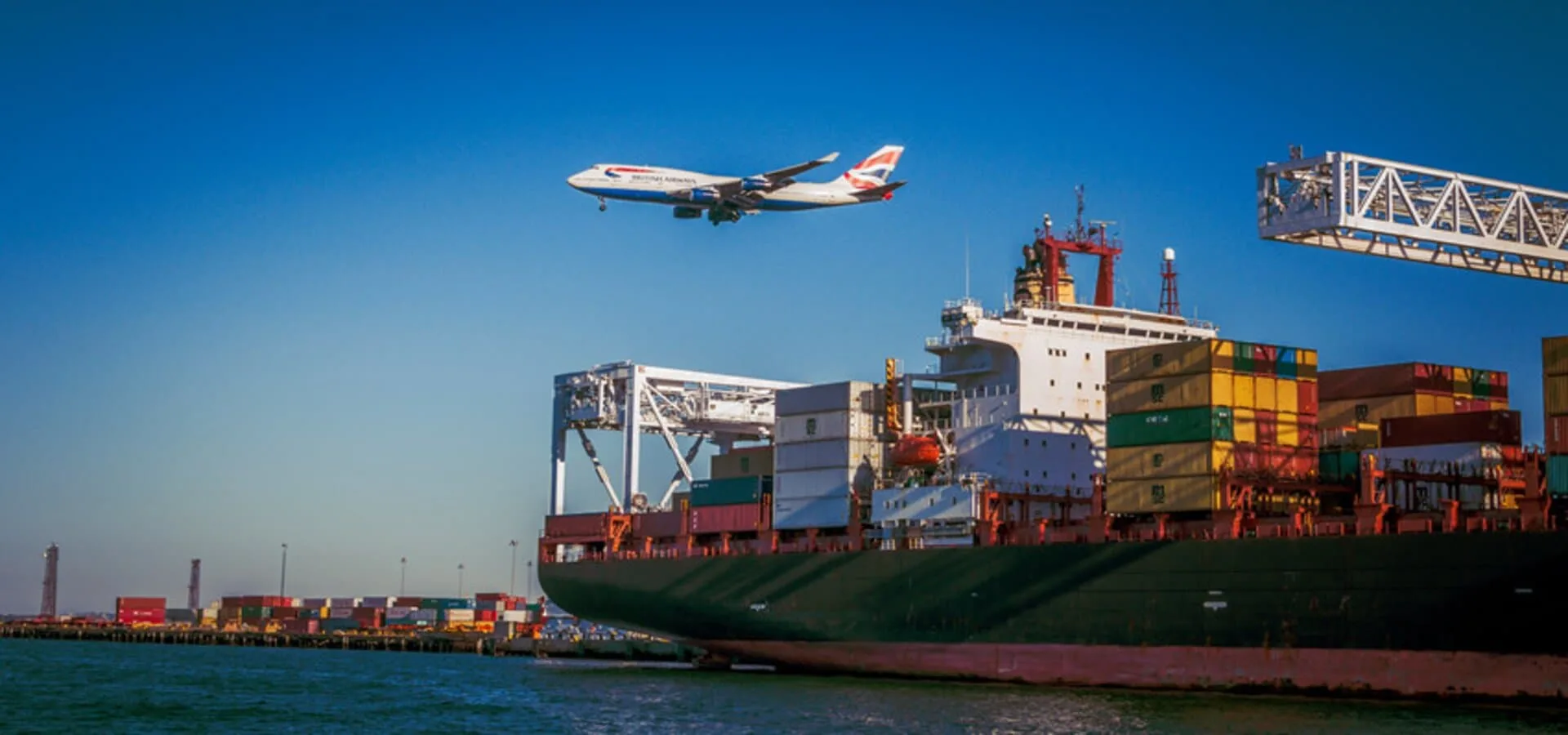
If you're a newly established company in the UAE planning to import goods from China and wants to know what are the best products imported to UAE from China. We will share with you the infomation you need step-by-step. China as the factory of th
Jan 02,2025
With global trade continuously growing, more and more companies in UAE are buying and shipping products from China to the UAE. Particularly in sectors like electronics, machinery, and fashion. And selecting the right shipping method
May 30,2024
Whether you're a small business or a multinational corporation, the efficiency and reliability of your supply chain depend greatly on the expertise and capabilities of your chosen freight forwarder.





 Email:


