
Door-to-Door Shipping From China To The World
Short answer: for most China-to-UAE shipments, sea freight is the cheaper choice and air freight is the faster one. Sea freight takes 25–35 days for LCL and 20–30 days for FCL from Shanghai, Shenzhen or Ningbo to Dubai and Jebel Ali. Air freight takes 3–7 days. Choose sea when your cargo is heavy or bulky and your deadline is more than about a month out; choose air when the goods are light and high-value, or when a stockout would cost more than the freight premium. If you are still unsure, quote both — the break-even point depends on chargeable weight, not just on cargo value.
Sea freight is one of the most common shipping methods for transporting goods from China to the UAE, especially for bulk shipments. Here are the key benefits of using sea freight:
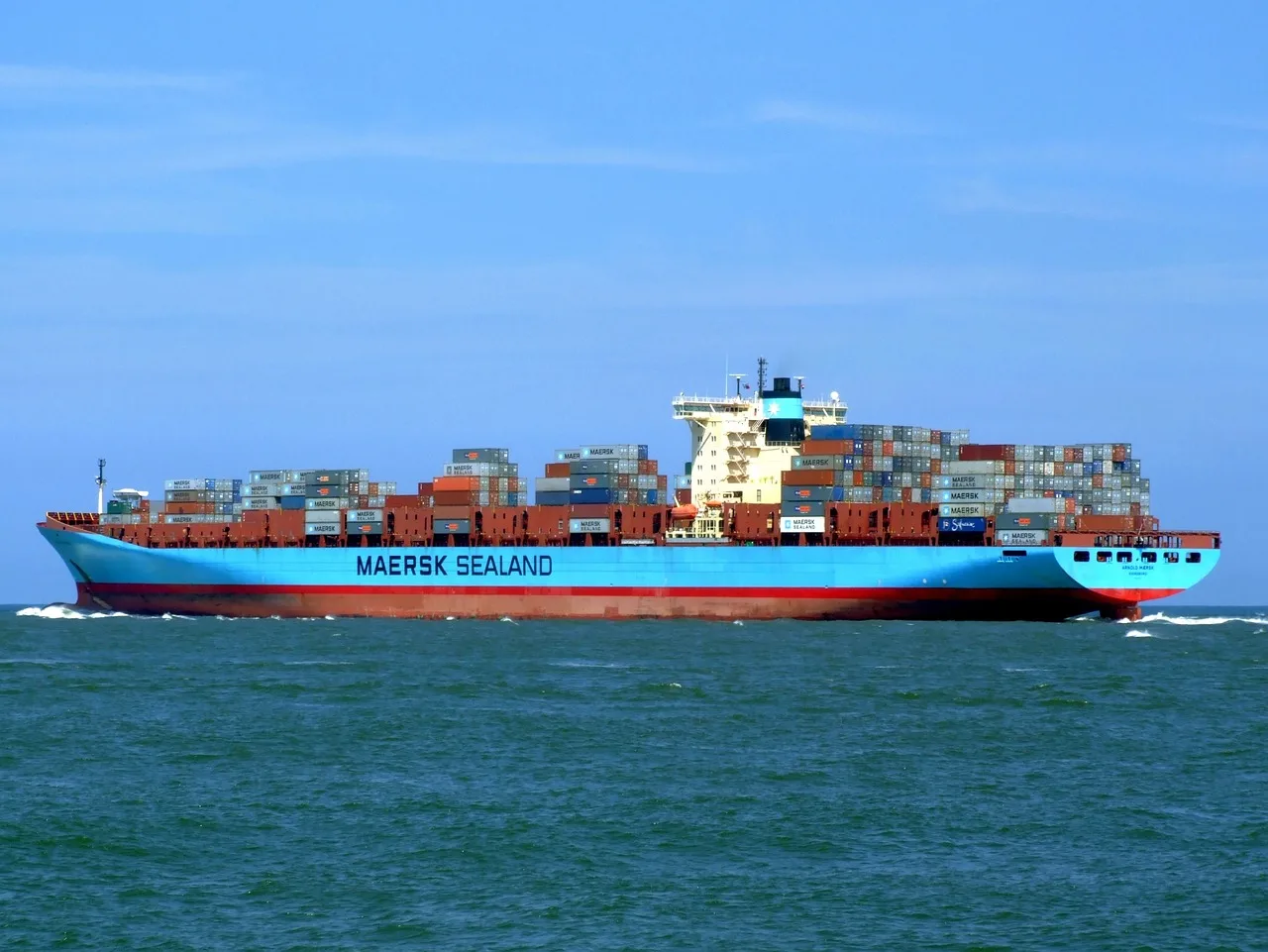
Sea freight is generally more affordable than air freight, especially when shipping large quantities. For businesses looking to save on shipping costs, sea freight is the most budget-friendly choice for transporting bulk goods.
If your products are heavy or large in size, sea freight is often the best choice. Whether it is electronics, furniture or machinery, sea freight handles large volumes and offers significant flexibility in storage capacity.
Sea freight is cost-efficient but slower. Typically, for LCL shipments it takes around 25 to 35 days from major Chinese ports (Shanghai, Shenzhen, Ningbo) to UAE ports (Dubai, Jebel Ali). FCL can be faster, at 20–30 days. For businesses that need faster delivery, sea freight will not always be the best option.
If your shipment is not time-sensitive, sea freight is a reliable long-term solution — a good way to move large volumes at a lower cost, especially when combined with warehousing and customs clearance solutions.
Compared with sea freight, air freight offers faster transit times and is particularly advantageous for certain types of goods. Here are the key reasons to choose air:
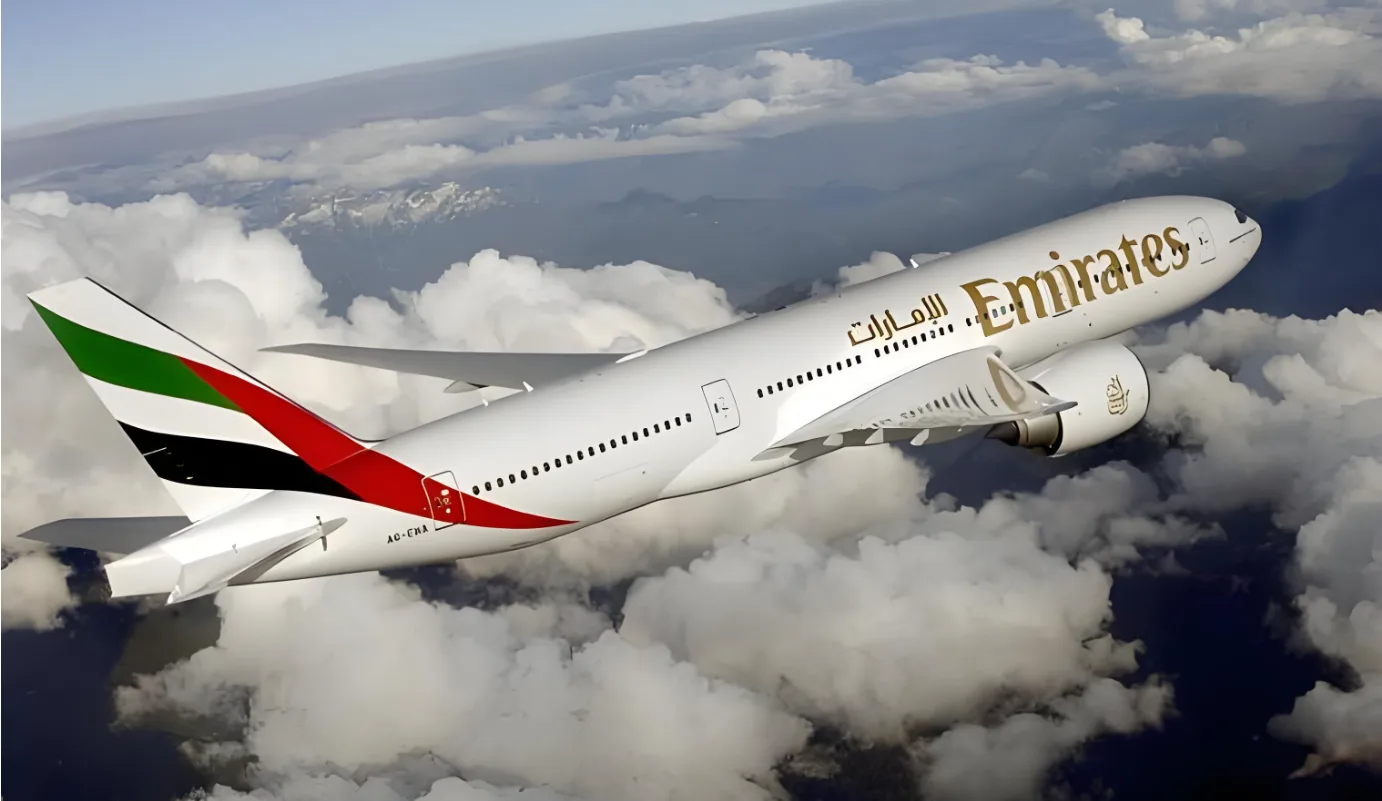
The primary advantage of air freight is speed. Shipping from China to the UAE by air typically takes 3 to 7 days, making it the fast option for urgent shipments.
Air freight suits smaller, lighter or high-value items such as electronics, jewellery, fashion and luxury goods. It costs more than sea freight but offers a safer, quicker way to ship valuable products that need to reach the destination quickly.
The main downside is cost. Especially for heavy or bulky items, air freight costs can be significantly higher than sea freight, so air freight suits shipments where speed is crucial and the cargo value justifies the premium.
For businesses with tight deadlines — for example e-commerce sellers restocking during high-demand periods or holidays — air freight is often the best option. It ensures products arrive quickly, minimising the risk of stockouts and missed sales.
| Criteria | Sea freight | Air freight |
|---|---|---|
| Transit time | LCL 25–35 days; FCL 20–30 days | 3–7 days |
| Cost level | Lower — most budget-friendly for bulk | Higher — justified by speed and cargo value |
| Best cargo type | Heavy, bulky, large-volume goods: furniture, machinery, electronics in volume | Light, compact, high-value goods: electronics, jewellery, fashion, luxury items |
| Pricing basis | Container space (FCL) or cargo volume / weight (LCL) | Chargeable weight (actual vs volumetric, whichever is greater) |
| Volume suitability | Large volumes, full and part container loads | Small to medium shipments, samples, replenishment |
| Schedule reliability | Stable but exposed to port congestion and blank sailings | Fast but exposed to capacity swings and fuel surcharges |
| Typical use case | Planned replenishment, project cargo, seasonal build-up | Stockout prevention, launches, perishable or deadline-critical goods |
| Main ports / gateways | Shanghai, Shenzhen, Ningbo → Dubai, Jebel Ali | Major Chinese air hubs → UAE airports |
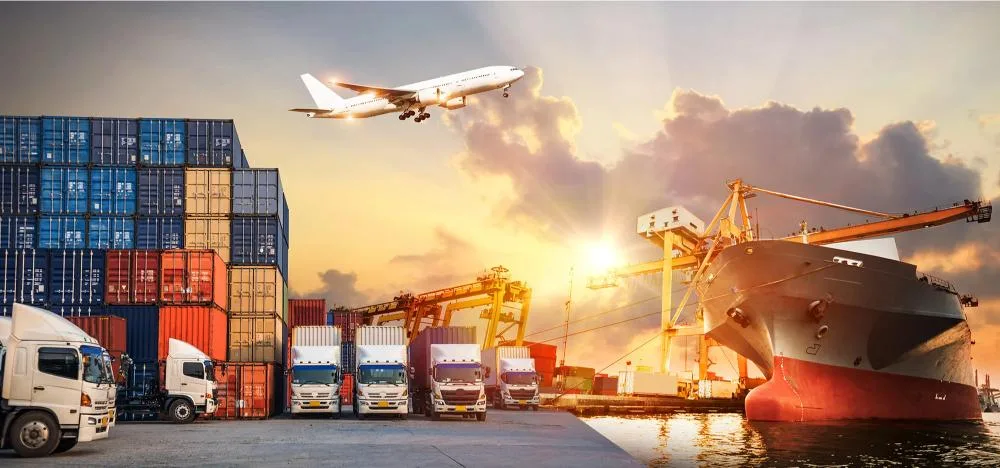
Choosing between sea freight and air freight depends on the nature of your goods, the urgency of delivery, your budget, and the volume and size of your shipment. Use this decision rule:
Planning a UAE shipment end to end? Also see the import documents required for China-to-UAE sea freight, our guide to the best products to import from China to the UAE, our dedicated China to UAE shipping page, and our analysis of how the 2026 Iran conflict is disrupting Middle East shipping routes.
Around 25 to 35 days for LCL shipments and 20–30 days for FCL, from major Chinese ports such as Shanghai, Shenzhen and Ningbo to UAE ports including Dubai and Jebel Ali.
Typically 3 to 7 days, making it the fastest option for urgent shipments.
Sea freight is generally cheaper, especially for large or heavy shipments, and is the most budget-friendly choice for bulk goods. Air freight costs significantly more, particularly for heavy or bulky cargo, but is justified when delivery speed and cargo value matter more than freight cost.
Choose air freight when your goods are light and high-value — electronics, jewellery, fashion, luxury items — or when you face a tight deadline such as a product launch, a holiday sales peak or an imminent stockout.
Yes. Consolidating several small packages into one larger shipment is one of the most effective ways to cut cost on China-to-UAE trade, and it improves overall logistics efficiency.
The main arrival points are Dubai and Jebel Ali, served from Chinese ports including Shanghai, Shenzhen and Ningbo.
Requirements vary by commodity, but customs paperwork must be prepared in advance to avoid delays and extra fees. See our dedicated guide to import documents for China-to-UAE sea freight, or ask Baton Logistics to handle clearance end to end.
Baton Logistics quotes sea and air freight from China to the UAE side by side, with consolidation, warehousing and customs clearance included where needed.
Tel / WhatsApp: +86 159 2063 1453
Email: overseas02@batongls.com
Website: https://www.batongls.com
This article is part of our topic clusters on Baton Logistics:

Dec 15,2025
If you're a newly established company in the UAE planning to import goods from China and wants to know what are the best products imported to UAE from China. We will share with you the infomation you need step-by-step. China as the factory of th
Jan 02,2025
With global trade continuously growing, more and more companies in UAE are buying and shipping products from China to the UAE. Particularly in sectors like electronics, machinery, and fashion. And selecting the right shipping method
May 30,2024
Whether you're a small business or a multinational corporation, the efficiency and reliability of your supply chain depend greatly on the expertise and capabilities of your chosen freight forwarder.









 Email:


