
Door-to-Door Shipping From China To The World
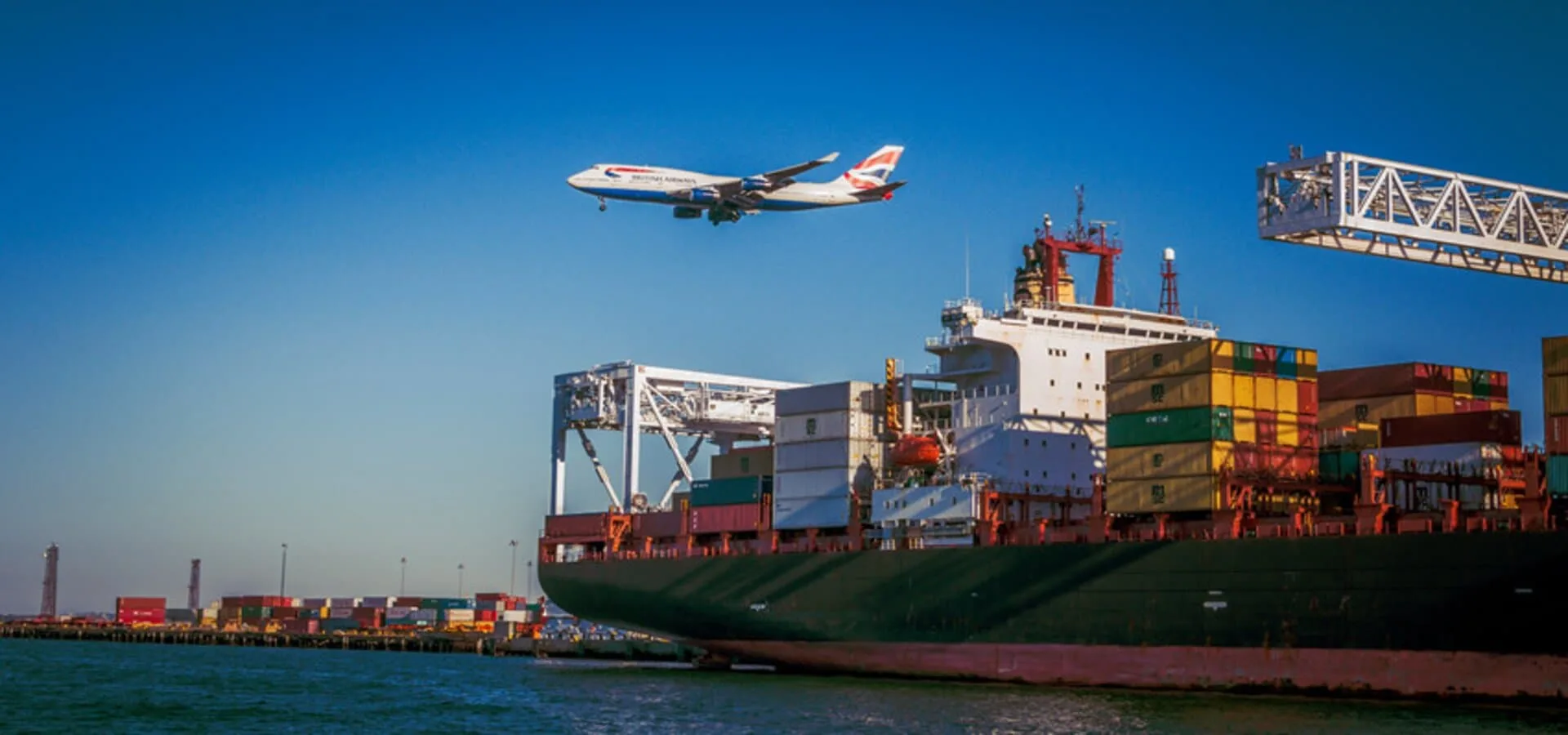
According to the latest weekly "port economic barometer" from the world ports association, the impact of covid-19 on ports varies from region to region.
The report, by Theo Notteboom and Thanos Pallis, editorial directors of the journal port economics, showed that the bulk of the cancellations were from the far east.
According to the statistics, about 45 percent of the ports where the number of container ships docked declined by 5 to 25 percent, compared with 34 percent in the previous week.Eight per cent of ports are facing sharp falls of more than 25 per cent.The number of other ports where ship calls have fallen by more than 25 per cent has risen to 16 per cent, with less than half reporting a fairly steady flow of other vessels.
At north American ports, the number of container ships docking is falling fast.This week, 71 percent of the ports surveyed reported a 5 percent to 25 percent drop in arrivals, well above the world average.
However, the ports association's working group on the outbreak expects container shipping to resume in some Asian ports between late may and early June, with a positive impact in regions such as Europe and North America in six to eight weeks.
Some liner companies have restarted service on major east-west routes, Notteboom said.We have also received reports from East Africa that liner services from Asia will resume this week, which is a good trend.
A growing number of ports are reporting only 26 per cent utilisation of liquid bulk storage facilities at their terminals.The proportion of ports with high utilisation of liquid bulk storage facilities has fallen to 13 per cent, the lowest since the survey began.
A similar picture emerged for dry bulk operations, where 32 per cent of port facilities were underutilised.The proportion of ports with high utilisation rates has fallen to 10 per cent, the lowest so far.
North American ports say inland transportation delays are decreasing.Overall, inland traffic in North America is much less disrupted than the global average, especially for trucks entering and leaving ports.Excluding railways, the number of ports affected by the disruption to inland transport remains below 20 per cent.Moreover, north American ports generally say there is little problem with dockside workers.
Patrick Verhoeven, managing director of the association, said: "the members of the covid-19 working group provide us with a unique perspective to keep up with changes in the impact of the outbreak on ports in different parts of the world.At present, Asian ports have fully resumed operations, and there are signs that recovery is possible.European ports are gradually returning to the 'new normal';As regions such as South America and Africa are facing the peak of the epidemic, ports must cope with the new situation.Our next survey will cover more ports in the Middle East and Asia.

Dec 15,2025
If you're a newly established company in the UAE planning to import goods from China and wants to know what are the best products imported to UAE from China. We will share with you the infomation you need step-by-step. China as the factory of th
Jan 02,2025
With global trade continuously growing, more and more companies in UAE are buying and shipping products from China to the UAE. Particularly in sectors like electronics, machinery, and fashion. And selecting the right shipping method
May 30,2024
Whether you're a small business or a multinational corporation, the efficiency and reliability of your supply chain depend greatly on the expertise and capabilities of your chosen freight forwarder.









 Email:


