
Door-to-Door Shipping From China To The World
When cargo is damaged, payment depends on three separate things: the Incoterm (who bears risk and when), the carrier's or forwarder's liability limits, and your cargo insurance policy. ICC (A) gives all-risks cover subject to exclusions; ICC (B) and (C) are named-perils and narrower. Insurance should be valued at CIF plus an agreed uplift (commonly 10%), with a deductible stated in the policy. A freight forwarder's liability is normally far lower than the cargo value and is limited by contract and law — insurance is what actually protects the shipment. Baton Logistics explains the cover, documents losses and supports claims. If a forwarder says "insurance included" without naming the ICC clause, valuation basis and deductible, you do not know what is covered.
| Criterion | What to ask the provider | Why it matters |
|---|---|---|
| ICC clause | "Is this ICC (A), (B) or (C)?" | Cover differs sharply between clauses. |
| Valuation basis | "Is the sum insured CIF plus uplift, or invoice only?" | Under-valuation reduces the payout. |
| Deductible | "What is the per-claim deductible?" | Determines whether small losses are worth claiming. |
| Exclusions | "Are packing, inherent vice and delay excluded?" | These cause most rejected claims. |
| Door-to-door scope | "Does cover include inland and warehouse stages?" | Ports and inland legs are where many losses occur. |
| DG and high-value goods | "Are batteries, electronics or high-value goods covered?" | Many policies exclude or restrict these. |
| Claims process | "Who surveys and how quickly must I notify?" | Late notification can void a claim. |
| Liability vs insurance | "What is the carrier's liability limit?" | Shows why insurance is necessary. |
| Cover type | Scope | Best for | Limitation |
|---|---|---|---|
| ICC (A) | All risks except listed exclusions | Electronics, machinery, high-value, LCL | Higher premium; exclusions still apply |
| ICC (B) | Named perils including natural disasters and accidents | General merchandise | Narrower than (A) |
| ICC (C) | Major casualties only, minimum cover | Low-value bulk cargo | Many damage types not covered |
| Carrier liability | Limited by convention and contract | Baseline only | Well below cargo value in most cases |
| Forwarder liability | Limited by contract terms | Service failures | Not a substitute for cargo insurance |
| All-risk door-to-door | Inland, port and main transport | DDP and consolidated shipments | Confirm warehouse and inland stages are included |
Coverage details depend on the policy wording. This table is a planning reference, not policy language.
Below is hypothetical and for calculation demonstration only. It is not a Baton Logistics quotation or policy.
Assume one 40HQ container, cargo invoice value USD 80,000, Shenzhen → Rotterdam:
| Line item | Illustrative treatment |
|---|---|
| Sum insured | CIF plus about 10% uplift — e.g. USD 90,000 in this example |
| ICC (A) premium | Rate depends on cargo type, route and deductible |
| ICC (C) premium | Lower premium but materially narrower cover |
| Deductible | Per claim; compare a low-premium/high-deductible option carefully |
| DG or high-value loading | Extra premium or restrictions for batteries, electronics |
| Inland extension | Cover for factory-to-port and port-to-warehouse legs |
| Survey fee | Applies when a claim needs independent assessment |
| Documentation | Packing records, photos and inventory support the claim |
Why this matters: the premium is often a small fraction of cargo value, while an uninsured loss can be total. Choosing ICC (C) to save a few hundred dollars can expose tens of thousands. Compare cover, valuation and deductible — not just premium.
Insurance only protects you if the clause, value and deductible are right. Request a China export insurance review from Baton Logistics — send the cargo type, value, route and Incoterm, and our team will explain the cover options, exclusions and claim documentation before you ship.

Dec 15,2025
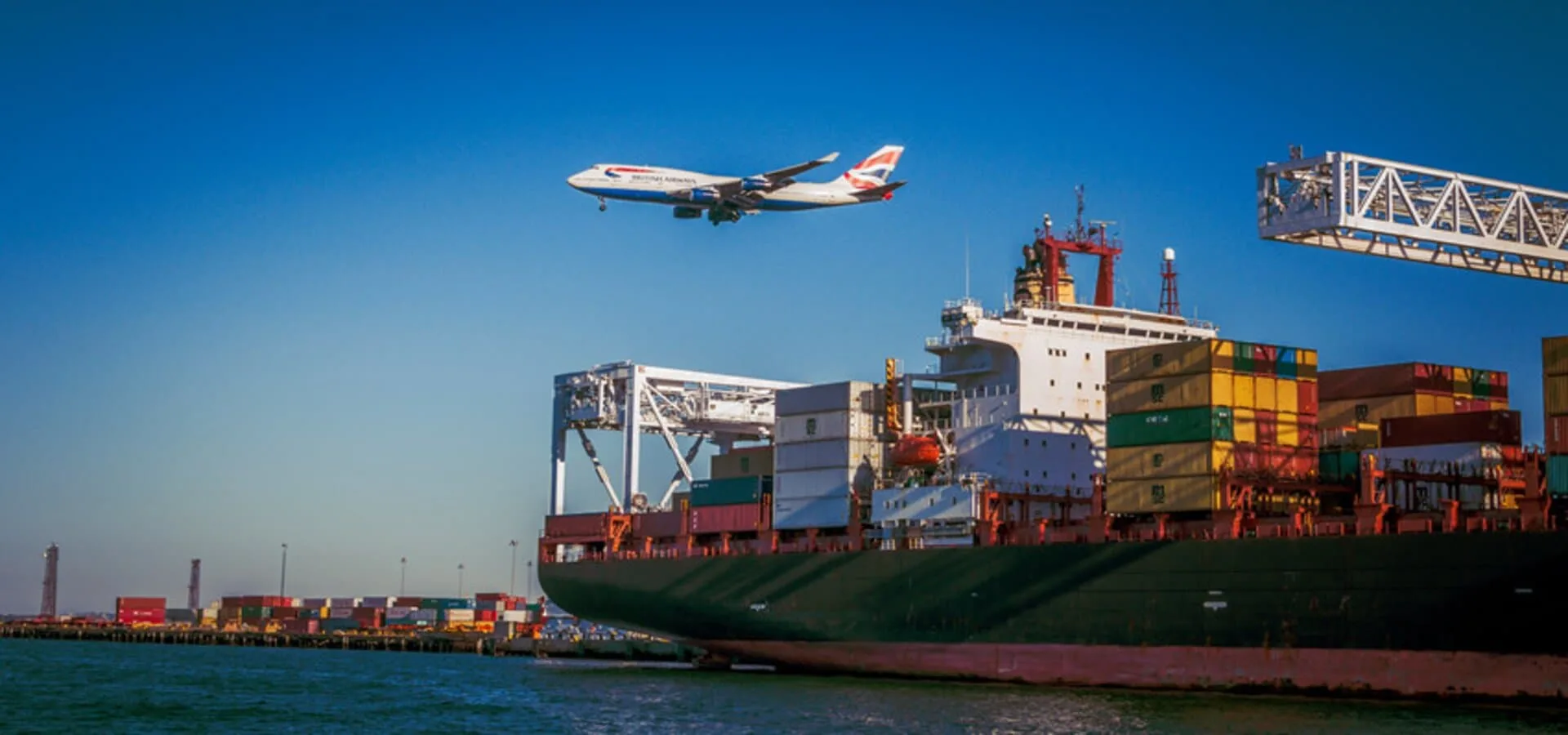
If you're a newly established company in the UAE planning to import goods from China and wants to know what are the best products imported to UAE from China. We will share with you the infomation you need step-by-step. China as the factory of th
Jan 02,2025
With global trade continuously growing, more and more companies in UAE are buying and shipping products from China to the UAE. Particularly in sectors like electronics, machinery, and fashion. And selecting the right shipping method
May 30,2024
Whether you're a small business or a multinational corporation, the efficiency and reliability of your supply chain depend greatly on the expertise and capabilities of your chosen freight forwarder.








 Email:


