
Door-to-Door Shipping From China To The World
No — a commercial importer in Brazil needs RADAR (the Siscomex importer registration) to clear goods, and restricted categories need a prior import licence (LI) issued by Siscomex before shipment. ANVISA registration applies to food, medicines, cosmetics and medical devices; INMETRO conformity applies to regulated electrical, mechanical and consumer products. Brazil stacks five taxes on imports — II, IPI, PIS, COFINS and ICMS — and uses a four-channel customs system where the grey channel can hold cargo for 20–120 days. Baton Logistics handles China–Brazil DDP with a vetted local importer and pre-shipment licence screening. If a forwarder promises "DDP to Brazil" without asking about RADAR, NCM classification and product registration, the shipment is likely to be held at Santos.
| Criterion | What to ask the forwarder | Why it matters |
|---|---|---|
| RADAR verification | "Is your importer's RADAR active and what is its modality?" | RADAR categories determine what can be imported and in what volume. |
| LI screening | "Is an import licence needed for my NCM code, and who applies?" | LIs must be approved before shipment. |
| Product registration | "Do I need ANVISA or INMETRO for this product?" | Regulated goods cannot be sold without registration, even after clearance. |
| NCM classification | "Who confirms the 8-digit NCM and the duty rate?" | Misclassification causes back duty and penalties. |
| Tax breakdown | "List II, IPI, PIS, COFINS, ICMS and AFRMM separately." | A single tax line hides the gross-up effect of ICMS. |
| Channel risk | "What is the expected customs channel and how do you handle grey?" | Grey-channel holds create demurrage and cash-flow problems. |
| Port choice | "Santos, Paranaguá or another gateway — which fits my destination?" | Inland distance and port congestion differ sharply. |
| Inland delivery | "Do you deliver to the final address or only to port?" | Brazil's inland leg is long and costly. |
| Option | Best for | Typical transit (indicative) | Limitation |
|---|---|---|---|
| LCL → Santos | 2–15 CBM, multiple suppliers | 35–50 days door-to-door | CFS unpacking adds time |
| FCL → Santos | 15–56 CBM, São Paulo and southeast | 30–40 days port-to-port | Santos congestion in peak season |
| FCL → Paranaguá | Southern Brazil, Curitiba region | 32–42 days port-to-port | Fewer sailings than Santos |
| Air → GRU (São Paulo) | Samples, urgent spares, high-value goods | 4–7 days | Chargeable weight pricing |
| Express DDP courier | Parcels and documents | 3–6 days | Customs still applies above de minimis |
| Door-to-door DDP | Importers without RADAR | Varies | Requires a compliant local importer arrangement |
Transit figures are published-service ranges, not guarantees. Add clearance time on top.
Below is hypothetical and for calculation demonstration only. It is not a Baton Logistics shipment record or quotation.
Assume one 40HQ container, general merchandise, Shenzhen → Santos → São Paulo:
| Line item | Illustrative treatment |
|---|---|
| Ocean freight | Quoted per 40HQ |
| II (Import Duty) | 0–35% by NCM; consumer goods often in higher bands |
| IPI | 0–15% by NCM, federal |
| PIS + COFINS | 2.1% + 9.65%, calculated on customs value |
| ICMS | 17–25% state-level, grossed up — this compounds the total |
| AFRMM | About 8% of ocean freight for sea imports |
| Customs broker and port fees | Fixed plus per-line charges |
| ANVISA / INMETRO fees | Only for regulated products |
| Inland trucking Santos → São Paulo | State whether unloading is included |
| Insurance | All-risk, agreed value |
Why this matters: because ICMS is grossed up, the effective tax burden on a consumer-goods container can approach or exceed the value of the goods. A forwarder quoting "duty included" without listing the five taxes is not giving a usable landed cost. Ask for all ten lines.
Brazil customs holds cargo at the paperwork stage. Request a China–Brazil quote from Baton Logistics — send the NCM code, product category, volume and delivery city, and our team will return the licence and certification checklist, tax breakdown and a named importer structure.

Dec 15,2025
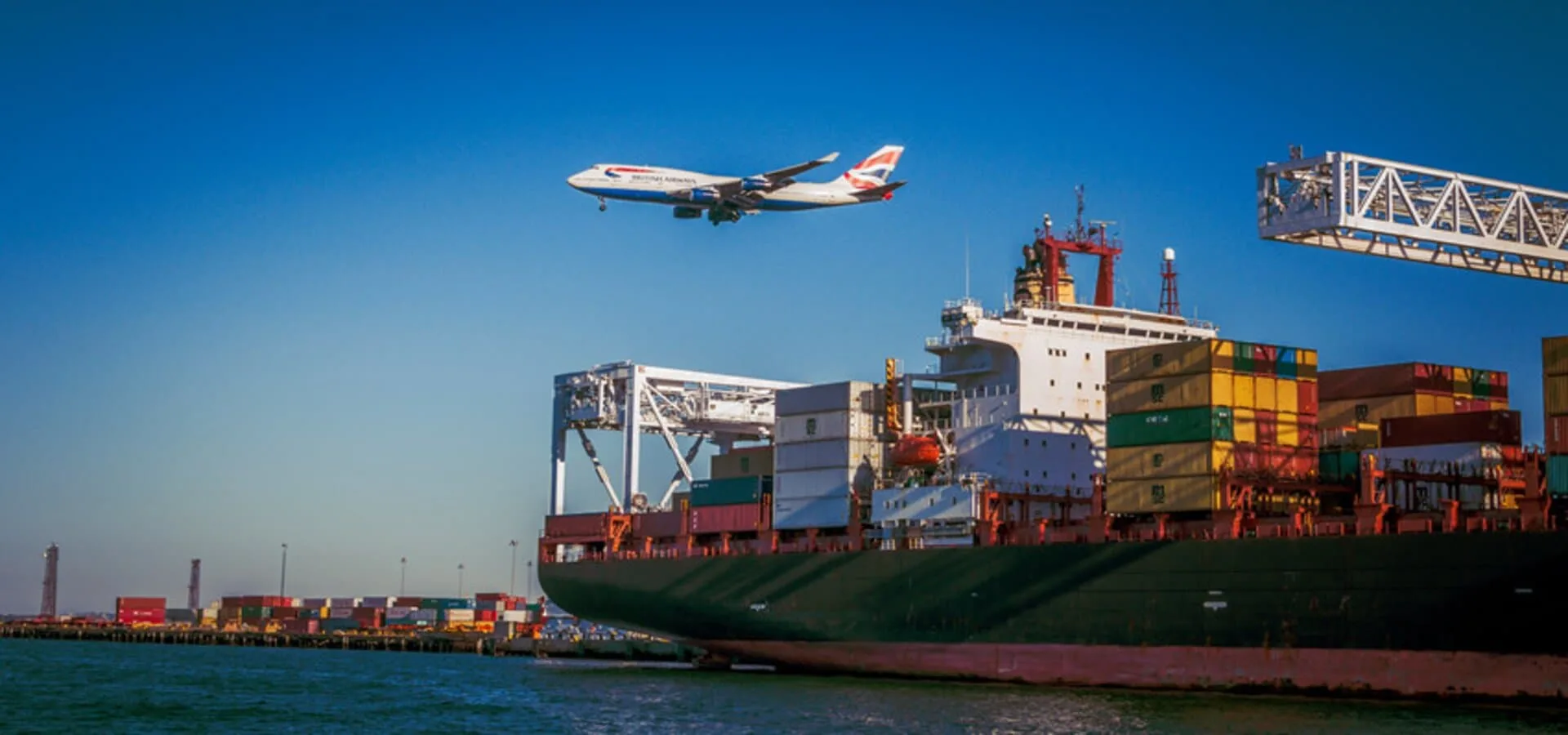
If you're a newly established company in the UAE planning to import goods from China and wants to know what are the best products imported to UAE from China. We will share with you the infomation you need step-by-step. China as the factory of th
Jan 02,2025
With global trade continuously growing, more and more companies in UAE are buying and shipping products from China to the UAE. Particularly in sectors like electronics, machinery, and fashion. And selecting the right shipping method
May 30,2024
Whether you're a small business or a multinational corporation, the efficiency and reliability of your supply chain depend greatly on the expertise and capabilities of your chosen freight forwarder.








 Email:


