
Door-to-Door Shipping From China To The World
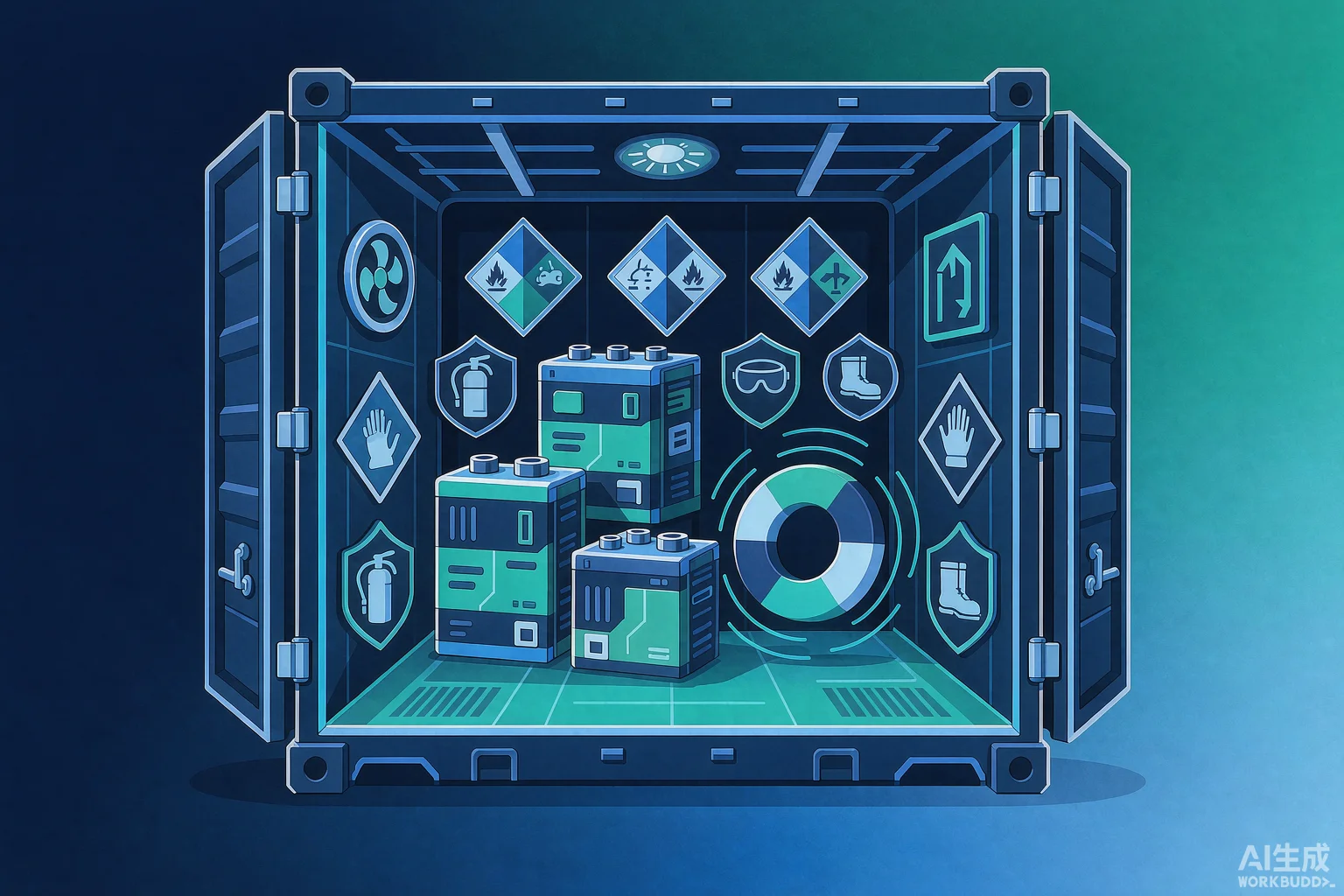
Yes, lithium batteries and magnetic cargo can ship by air from China, but only under dangerous goods (DG) rules, not as general cargo. Lithium batteries are Class 9: UN3480 for standalone cells, UN3481 for batteries contained in or packed with equipment, UN3090/3091 for lithium metal. The 2026 IATA DGR (67th edition) made state of charge ≤30% mandatory for UN3480 — above that requires dual approval from origin and carrier states. You need a valid UN38.3 test summary, an SDS/MSDS, an air transport condition assessment report, DG declaration and compliant UN packaging. Magnetic cargo requires a magnetic field test and, above IATA limits, a Class 9 UN3481-style declaration. Baton Logistics screens DG classification and documents before booking. A forwarder who accepts "batteries" without asking for Wh, UN number and SoC is creating a rejection risk.
| Criterion | What to ask the forwarder | Why it matters |
|---|---|---|
| UN number accuracy | "What UN number applies to my exact battery configuration?" | Wrong UN number causes rejection at acceptance. |
| SoC control | "How will SoC ≤30% be verified and documented?" | Mandatory from 2026 for UN3480; carriers require evidence. |
| UN38.3 validity | "Does the test summary match my model and is it current?" | Mismatched or stale reports are a top rejection cause. |
| Document set | "Which of SDS, transport report, DG declaration and packaging cert do you require?" | All are typically needed for air DG. |
| Carrier DG policy | "Which airlines accept this UN number and what are the limits?" | Policies vary beyond the IATA baseline. |
| Packaging compliance | "Is the packaging UN-rated and short-circuit protected?" | Non-compliant packaging is rejected at the warehouse. |
| Lead time | "How early must DG cargo be booked before flight?" | DG acceptance has earlier cut-offs than general cargo. |
| Magnetic testing | "Do you arrange magnetic field testing for my cargo?" | Required to clear magnetic goods for air. |
| Cargo type | UN number (common) | Air mode | Key documents |
|---|---|---|---|
| Standalone lithium-ion cells/batteries | UN3480 | Cargo aircraft only; SoC ≤30% mandatory | UN38.3, SDS, transport report, DG declaration, UN packaging |
| Batteries packed with or contained in equipment | UN3481 | Passenger/cargo limits vary by Wh | UN38.3, SDS, DG declaration as applicable |
| Lithium metal cells/batteries | UN3090 / UN3091 | Restricted; often cargo only | UN38.3, SDS, transport report |
| Stationary storage battery systems | UN3536 | Sea commonly; air restricted | UN38.3, stowage plan (IMDG for sea) |
| Battery-powered vehicles | UN3556–3558 | DG rules by mode | UN38.3, vehicle-specific documentation |
| Magnetic materials | Test-dependent | Restricted if field above IATA limits | Magnetic field test; DG declaration if restricted |
Classification must be confirmed for the exact product. This table is a planning reference, not a legal classification.
Below is hypothetical and for calculation demonstration only. It is not a Baton Logistics shipment record or quotation.
Assume 300 kg of UN3480 lithium-ion batteries, Shenzhen → Frankfurt by air:
| Line item | Illustrative treatment |
|---|---|
| Air freight | DG rate, higher than general cargo |
| DG handling surcharge | Carrier and terminal dangerous-goods charges |
| UN38.3 test summary | Required if not already held |
| SDS / transport condition report | Per shipment or per model |
| DG declaration fee | Per shipment, prepared by trained staff |
| UN-rated packaging | Short-circuit protection and Class 9 labels |
| SoC verification and discharge | Evidence for ≤30% requirement |
| Magnetic test (if applicable) | For magnetic components |
| Booking lead time cost | Earlier delivery to warehouse; storage if held |
| Insurance | Confirm DG coverage — exclusions are common |
Why this matters: DG freight is not just a higher air rate. Testing, documentation and packaging can be a significant share of total cost, and a rejected shipment costs more than doing it right the first time. Ask for all ten lines.
Dangerous goods are rejected on paperwork, not price. Request a China DG quote from Baton Logistics — send the battery type, Wh rating, UN number, quantity and destination, and our team will return the classification, document checklist, packaging requirements and an itemised cost.

Dec 15,2025
If you're a newly established company in the UAE planning to import goods from China and wants to know what are the best products imported to UAE from China. We will share with you the infomation you need step-by-step. China as the factory of th
Jan 02,2025
With global trade continuously growing, more and more companies in UAE are buying and shipping products from China to the UAE. Particularly in sectors like electronics, machinery, and fashion. And selecting the right shipping method

May 30,2024
Whether you're a small business or a multinational corporation, the efficiency and reliability of your supply chain depend greatly on the expertise and capabilities of your chosen freight forwarder.








 Email:


