
Door-to-Door Shipping From China To The World
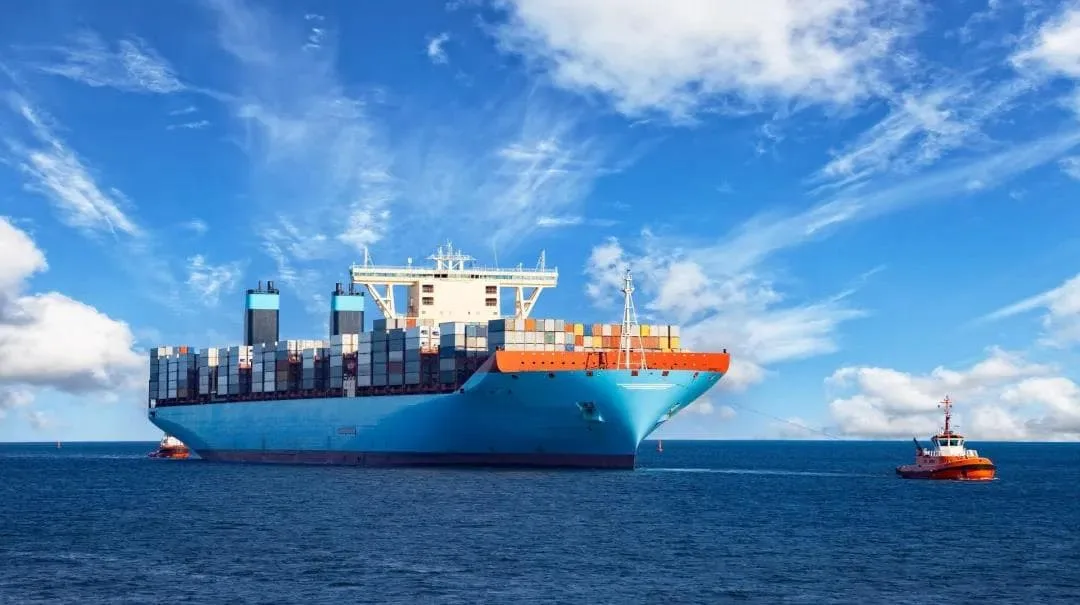
Due to the impact of covid-19 on global trade, according to data provided by Alphaliner, as of May 11, the number of idle container ships in the world reached 524, with a total idle capacity of 2.65 million TEU.It is equivalent to 11.3 per cent of the world's total container shipping capacity.It broke the record of 2.46 million TEU set in early march when the outbreak began to spread globally.
So far, shipping companies have announced the cancellation of a total of 478 voyages, 350 of which are mainly on ocean routes, and the number of vessels suspended has reached 250-300%.Large areas of suspension at the same time also have a certain impact on the port, but container freight prices continue to go up!
Shipping companies suspended 167 trips in Asia, North America and Europe between may and June, according to data released by easeason.That is, 105 voyages in May and 62 in June.Compared with the data collected on April 30, 4 new suspensions were added in May and 3 in June.
Of the 167 routes suspended, 66 are seasonal.As of May 9, THE alliance has suspended 34 routes, THE ocean alliance has suspended 24 routes, 2M has suspended 25 routes, and other or independent routes have suspended 22 routes, accounting for 32%, 23%, 24% and 21% of THE suspended routes in May, respectively.
In June, among THE 62 routes suspended, THE alliance had 24, accounting for 39%;The ocean alliance suspended 7 ships, or 11 percent;There were 19 suspensions of 2M alliance, accounting for 31%;12 other or independent routes were suspended, accounting for 19%.
In weeks 19 to 26, the loss of capacity was about 19.6%.In terms of normal capacity, the shipping companies invested the most in the asia-northern Europe route, followed by the us-western route.At the same time, the proportion of flights suspended in northern Europe is the highest among the four routes, followed by the Mediterranean route.
The shipping companies of the asia-mediterranean route invested the least capacity, but the proportion of suspended flights accounted for 25.7% of the normal capacity, which was the highest.The shipping companies of the us-west route invested more capacity, but the proportion of the us-west suspension in the normal shipping capacity was not high, about 17%.
Ocean alliance invested THE most capacity in asia-north America/Europe routes, followed by 2M alliance, and finally THE alliance.However, THE union has THE highest proportion of suspended flights in THE three alliances and THE proportion of suspended capacity in THE normal capacity.
The chief executive of hapag-lloyd said: "we are now more desperate than ever to cut costs and stop unnecessary vessels, which is the only way we can survive.
The World Container Index, released last week, is up 13% from a year ago.For example, the freight rates from Shanghai to Rotterdam and Genoa are 5% and 15% higher respectively compared with the same period last year.
Compare the past April with April 2019.In terms of contract indices, China's export container freight index CCFI was 9 per cent higher in April than a year earlier, while the XSI (Xeneta shipping index) was 11 per cent higher.The Shanghai export container freight index (SCFI) is 9% higher, while the global container composite index (WCI) is 11% higher.
On asia-europe routes, the SCFI and WCI spot freight indices, Nordic routes rose by 12% and Mediterranean routes by 18-21%.CCFI contract rates rose by 5% to northern Europe and 15% to the Mediterranean.Compared with the XSI, the us composite import index is up 33 per cent and the European import index is up 7.5 per cent.
In all, shipping companies around the world have suspended about 470 flights so far this year, according to Sea Intelligence, a shipping consultancy.Despite the huge negative impact of the epidemic on the global economy and demand, container freight rates have remained at an ideal level thanks to the collective self-discipline of shipping companies around the world.Lars Jensen, its chief executive, says that, despite a sharp drop in demand, the cancellation of fleet capacity by shipping companies has had a positive effect on rates.In other words: the stability of rates is related to idle capacity and cancellations.
Prospect analysis of port and transportation industry
According to Lloyd's List, Drewry adjusted his forecast for the container shipping market this year, saying it would be the most challenging year since the 2008 financial crisis, with a bleak outlook for the container shipping industry.If the outbreak is not contained in the second half of the year or a new outbreak occurs next year, market expectations will be further lowered.
Drewry said port activity would improve in the second half of the year as countries now unblocked and launched various economic stimulus packages.However, global port container throughput is expected to decline by 8% in 2020 due to the impact of the current outbreak.Simon Heaney, senior manager of container research at Drewry, said: "we think the outbreak will lead to a 16% reduction in global port container throughput in the second quarter.In addition, economic activity will improve in the second half of the year as the blockade is lifted and the stimulus package begins to take effect."
The forecasts are in line with port throughput reports received in recent weeks by Lloyd's daily, which includes ports in China, Europe and North America.
The international monetary fund has previously said that in a worst-case scenario, global GDP could fall by as much as 6 per cent in 2020, meaning a 12 per cent drop in port container throughput.Drewry adds that there will be another 6% decline in 2021.

Dec 15,2025
If you're a newly established company in the UAE planning to import goods from China and wants to know what are the best products imported to UAE from China. We will share with you the infomation you need step-by-step. China as the factory of th
Jan 02,2025
With global trade continuously growing, more and more companies in UAE are buying and shipping products from China to the UAE. Particularly in sectors like electronics, machinery, and fashion. And selecting the right shipping method
May 30,2024
Whether you're a small business or a multinational corporation, the efficiency and reliability of your supply chain depend greatly on the expertise and capabilities of your chosen freight forwarder.









 Email:


